Complex Shoulder Fracture Treatment – Advanced Reconstruction & Restoration of Function
Complex shoulder fractures involve multiple broken fragments or damage to crucial structures such as the humeral head, glenoid, or surrounding ligaments and tendons. These injuries often occur due to high-energy trauma, falls, road accidents, or sports injuries, and require specialised surgical expertise to restore stability, alignment, and long-term shoulder function.
Advanced treatment options—including minimally invasive fixation, shoulder replacements, and reconstructive procedures—provide excellent outcomes and help patients return to daily activities with confidence.
What Are Complex Shoulder Fractures?
A shoulder fracture becomes “complex” when it involves:
Multiple fragments (3- or 4-part fractures)
Severe displacement or rotation of bone pieces
Joint surface involvement (intra-articular fractures)
Head-splitting fractures of the humerus
Glenoid (socket) fractures
Associated rotator cuff tears or soft-tissue damage
Fracture-dislocations
Because the shoulder is essential for everyday movement, timely and precise treatment is critical.
Common Causes of Complex Shoulder Fractures
Road traffic accidents
High-impact sports injuries
Falls from height
Osteoporosis-related fractures in older adults
Workplace or industrial accidents
Symptoms of Complex Shoulder Fractures
You may require specialised treatment if you have:
Intense shoulder pain and swelling
Inability to lift or move the arm
Visible deformity or shoulder asymmetry
Bruising extending down the arm
Grinding or locking sensations
Numbness or weakness (nerve involvement)
Immediate assessment ensures the best chance of full recovery.

Treatment Options for Complex Shoulder Fractures
Treatment depends on age, bone quality, fracture pattern, activity level, and associated injuries. Options include:
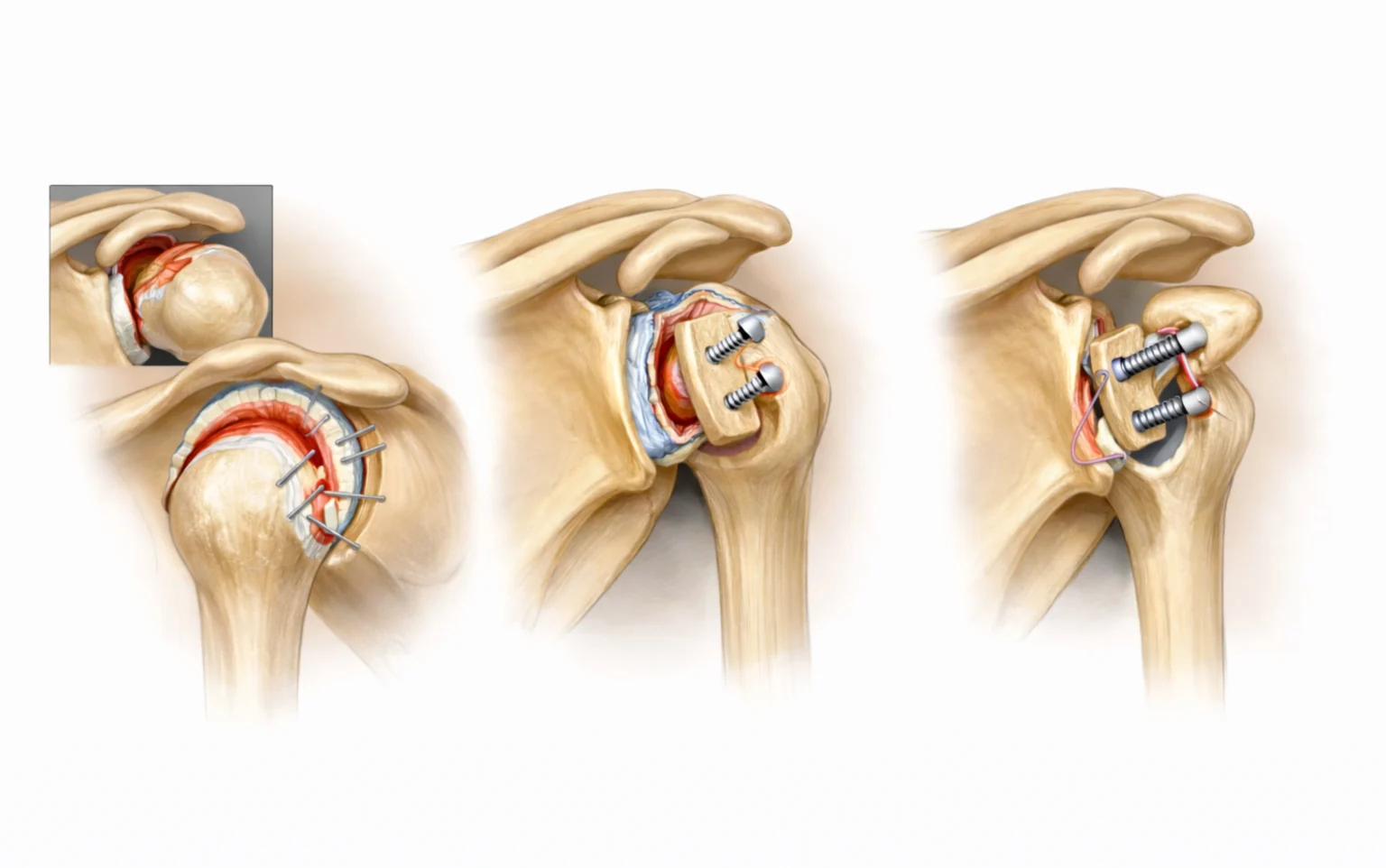
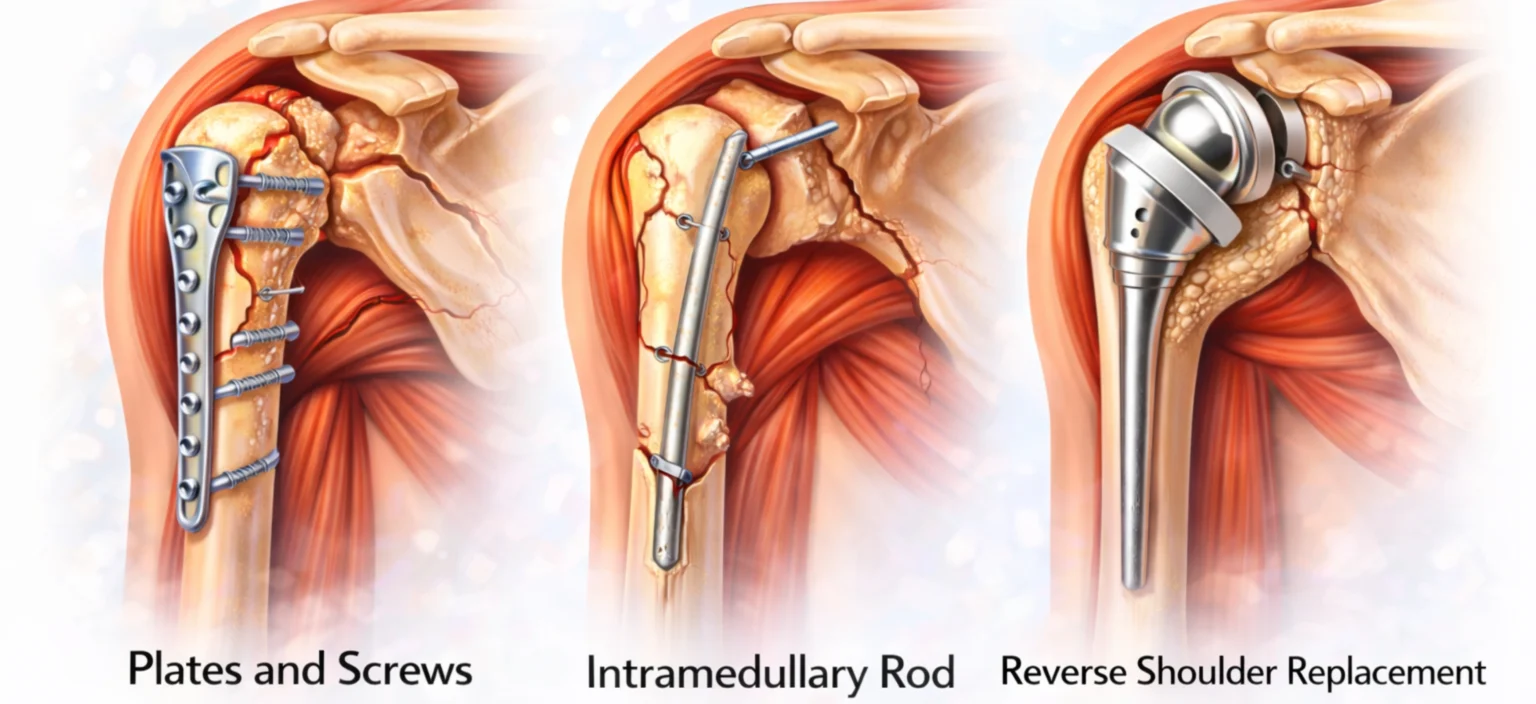
1. Minimally Invasive Fixation (ORIF – Open Reduction & Internal Fixation)
What It Is
Surgical alignment of fractured bone pieces and fixation using plates, screws, or wires.
Ideal For
Younger patients
Good bone quality
Multi-fragment fractures that can be reconstructed
Benefits
Preserves the patient’s natural bone
Faster healing when anatomically restored
Stable fixation allowing early rehabilitation
2. Intramedullary Nailing
What It Is
A metal rod is inserted inside the bone to stabilize shaft or proximal humerus fractures.
Ideal For
Long-bone fractures
Patients requiring strong internal support
Benefits
Smaller incisions
Less soft tissue disruption
Strong internal stability
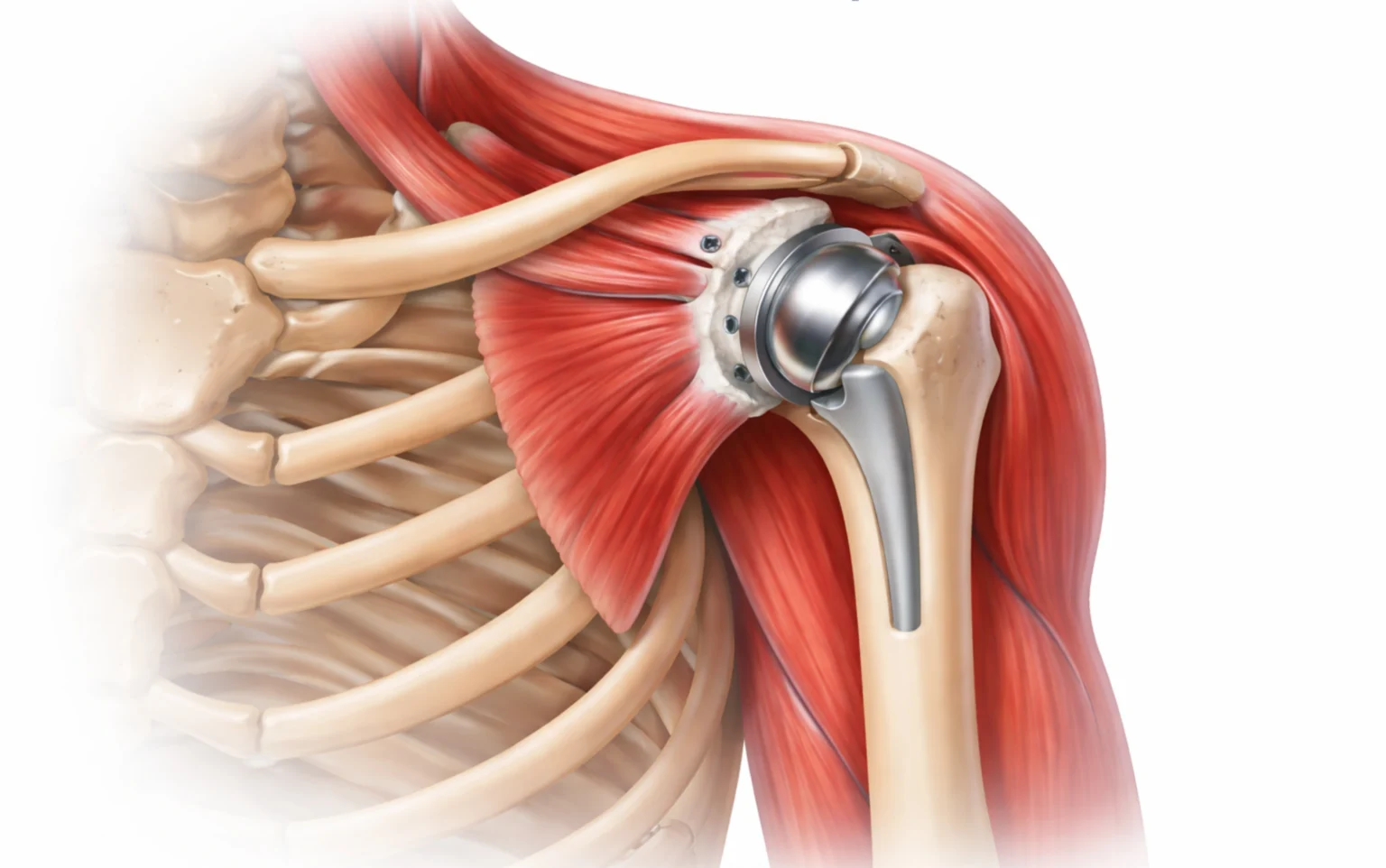
3. Hemiarthroplasty (Partial Shoulder Replacement)
What It Is
Replaces only the damaged humeral head while preserving the patient’s socket.
Ideal For
Severe head-split fractures
Cases with intact socket and rotator cuff
Patients where bone reconstruction is not possible
Benefits
Reliable pain relief
Good joint motion when tissues are healthy
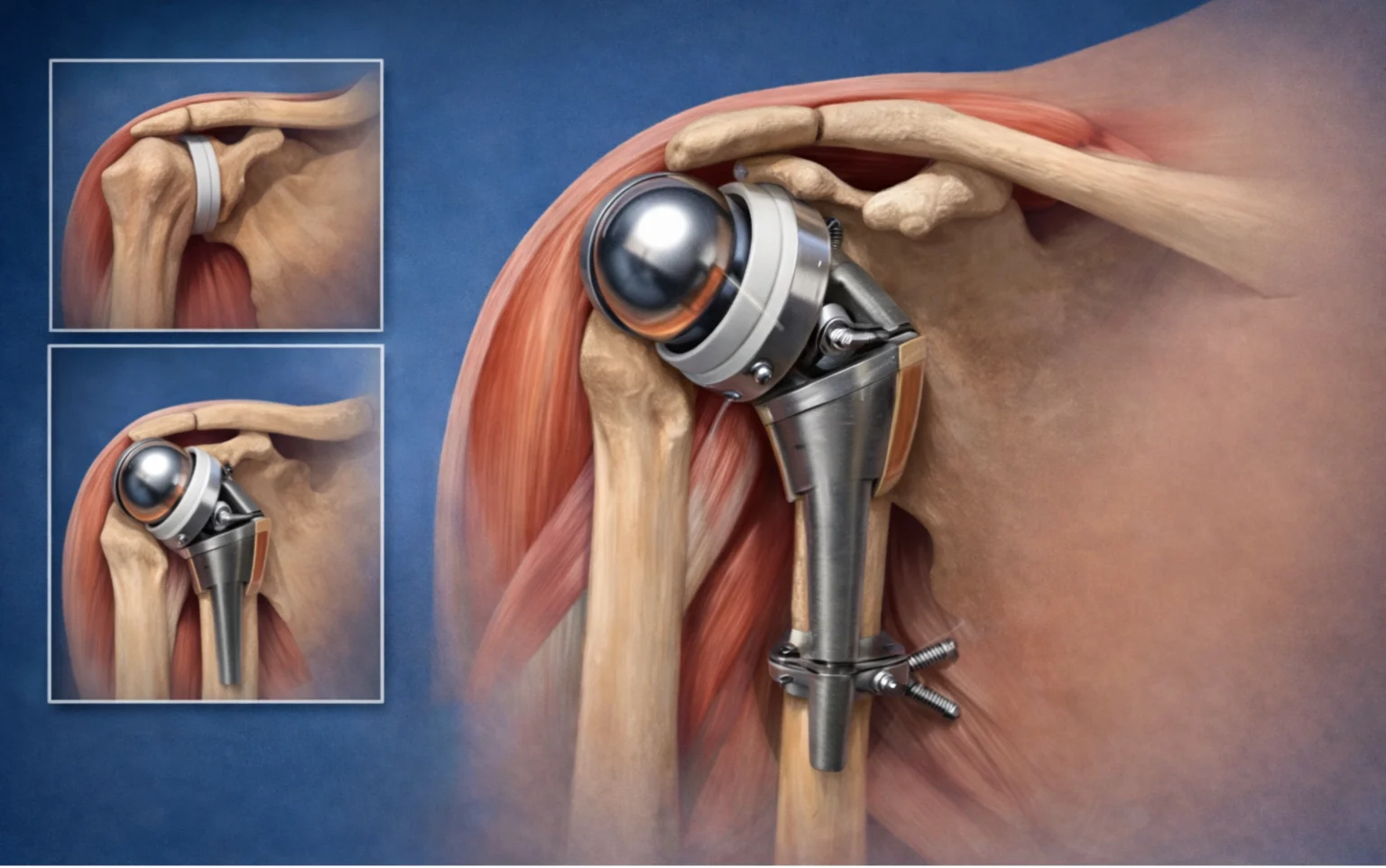
4. Reverse Shoulder Replacement
What It Is
A highly effective option when fractures involve rotator cuff damage or severe bone loss.
Ideal For
Older adults with poor bone quality
Fracture-dislocations
Complex 3- or 4-part fractures
Failed fixation or neglected fractures
Benefits
Excellent stability
Superior functional recovery in complex injury patterns
Works even without a functioning rotator cuff
5. Bone Grafting & Reconstruction
Used when fractures involve bone loss or chronic injuries.
Benefits
Restores shoulder anatomy
Provides stable support for implants
Reduces long-term complications
Benefits of Expert Treatment
Restores natural shoulder alignment
Reduces long-term arthritis risk
Improves strength and stability
Enables early functional recovery
Enhances quality of life and daily activity performance
Rehabilitation & Recovery
After surgery, a personalized rehab protocol includes:
Sling support initially
Early passive movement
Gradual strengthening of surrounding muscles
Controlled return to work or sports
A structured physiotherapy plan ensures optimal long-term results.
Who Can Benefit Most?
Athletes with shoulder instability
Patients with labral or tendon tears
Individuals with impingement or chronic pain
Those who haven’t improved with medication or physiotherapy
People needing better shoulder function for work or sport
Complex Shoulder Fracture Treatment in Indore with Dr. Devansh Goyal
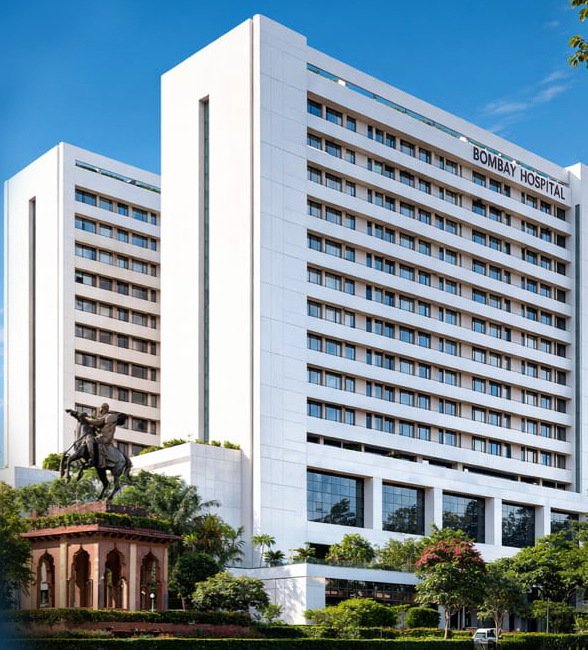
Shoulder fractures in older adults and after road accidents are treated by Dr. Devansh Goyal at Bombay Hospital, Indore — with a sling, fixation with plates or nails, or shoulder replacement depending on the fracture pattern, bone quality and the patient’s needs.
Frequently Asked Questions
Do all shoulder fractures need surgery?
No. Many shoulder fractures heal well in a sling with physiotherapy. Surgery is considered for displaced fractures, fracture-dislocations or fractures affecting the joint surface.
What surgical options are available?
Options include fixation with plates or nails, and shoulder replacement (often reverse) for complex fractures in older adults.
How long does a shoulder fracture take to heal?
Bone usually heals in about 6–8 weeks, but full recovery of movement and strength can take several months.
Why is early physiotherapy important?
The shoulder stiffens quickly, so guided early movement is important for the best result.
Can elderly patients with osteoporosis be treated?
Yes. Treatment is tailored to bone quality, and reverse shoulder replacement is often a good option for complex fractures in older adults.
Book an Appointment
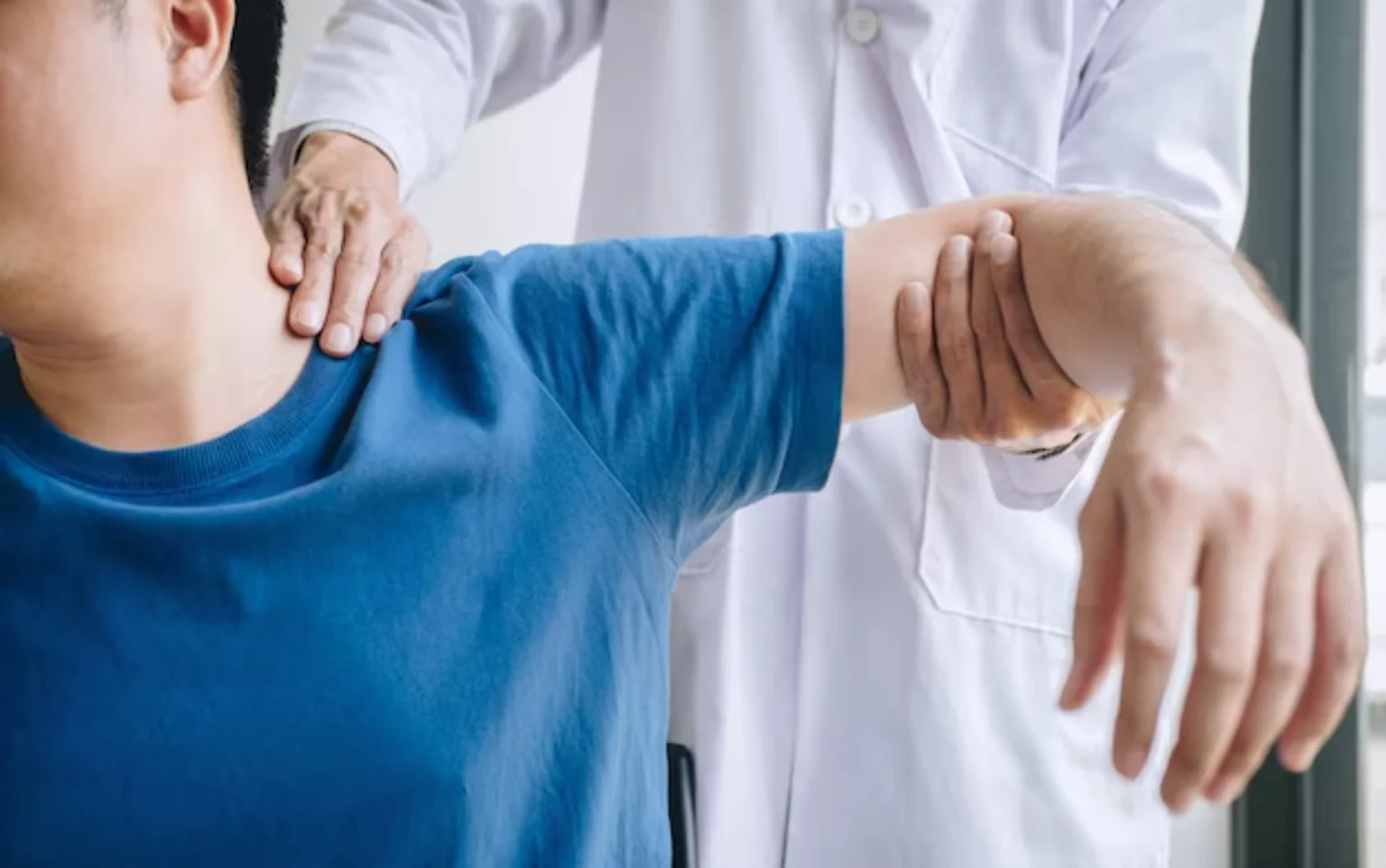
If you’ve experienced a severe shoulder injury or fracture, timely specialist evaluation is crucial for the best functional outcome.
Schedule your consultation with Dr. Devansh Goyal today.
Book a consultation with Dr. Devansh Goyal at Bombay Hospital, Vijay Nagar, Indore.