Structured Rehabilitation Programs – Personalised Recovery for Optimal Shoulder Function
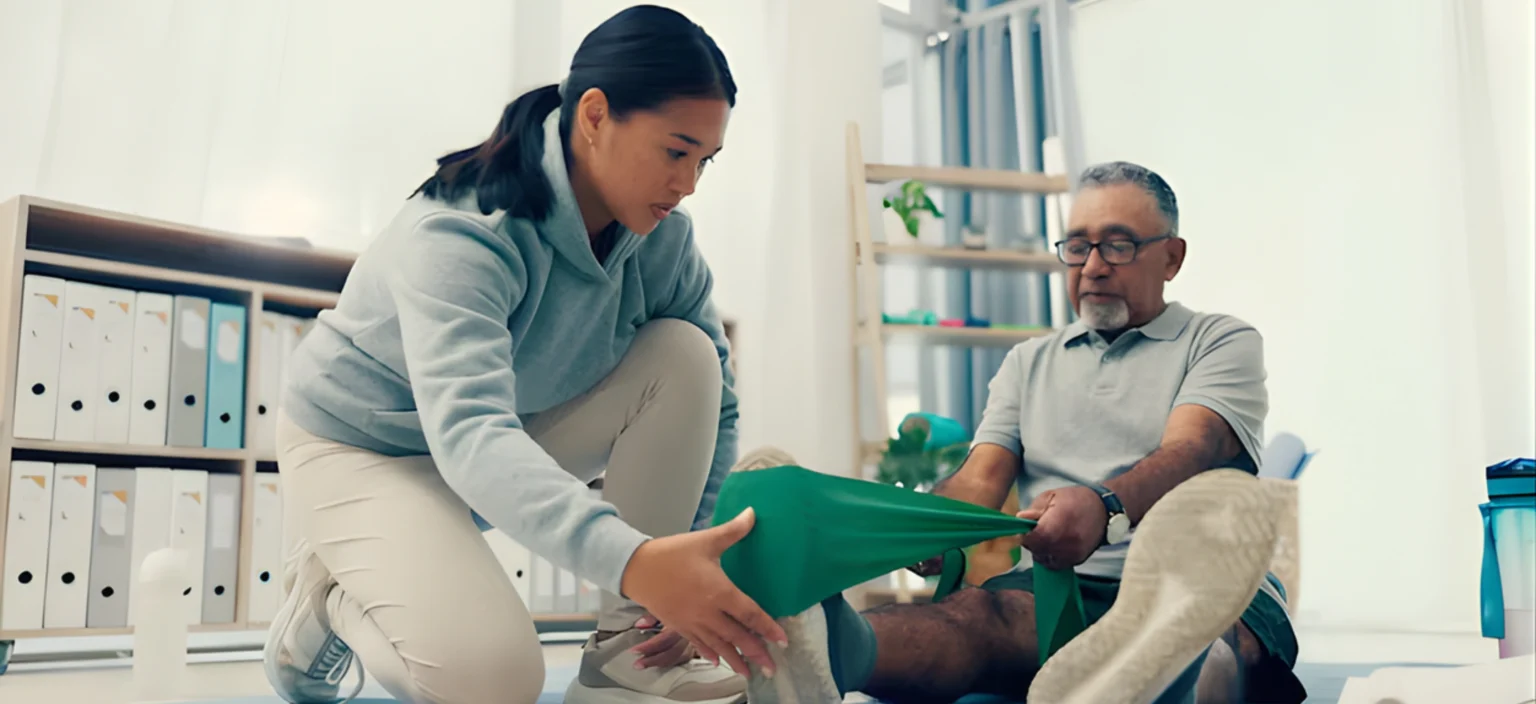
A well-designed rehabilitation program is one of the most important components of shoulder recovery—whether you’re healing from an injury, managing chronic pain, or recovering after surgery.
Structured physiotherapy ensures your shoulder regains strength, mobility, stability, and endurance safely and efficiently.
What Are Structured Rehabilitation Programs?
A structured rehabilitation program is a step-wise, scientifically designed plan that guides your recovery through:
Mobility restoration
Pain reduction techniques
Strength-building exercises
Posture and movement correction
Functional & sport-specific training
Each program progresses safely based on your healing stage—avoiding overloading yet preventing stiffness or weakness.
Who Needs a Structured Rehabilitation Program?
These programs benefit individuals with:
Rotator cuff injuries
Tendonitis or bursitis
Frozen shoulder
Shoulder impingement
Labral tears
Shoulder instability
Arthritis-related stiffness
Post-fracture stiffness
Post-surgical recovery (Bankart, Latarjet, cuff repair, shoulder replacement)
Components of Our Rehabilitation Programs
1. Pain & Inflammation Management
Ice therapy
Manual soft tissue therapy
Joint mobilisations
Guided rest and activity modification
2. Mobility & Flexibility Training
Restoring healthy range of motion through:
Passive and active stretching
Capsular release techniques
Posture correction
3. Strength & Stability Training
Gradual strengthening of:
Rotator cuff muscles
Scapular stabilisers
Core and upper-body chain muscles
These help prevent re-injury and improve long-term shoulder health.
4. Proprioception & Neuromuscular Control
Training your shoulder to move safely and efficiently through:
Balance programs
Motor control exercises
Functional movement retraining
5. Activity- or Sport-Specific Training
For athletes and active individuals:
Overhead training
Throwing biomechanics
Strength sequencing
Return-to-sport protocols
6. Post-Surgical Physical Therapy
Customised protocols following:
Rotator cuff repair
Shoulder instability surgery
Shoulder replacement
Complex fracture fixation
Each protocol follows safe timelines to protect healing tissues while restoring function.
Benefits of Structured Rehabilitation
✓ Faster & safer recovery
✓ Reduced pain and stiffness
✓ Improved shoulder strength and stability
✓ Lower risk of re-injury
✓ Better movement patterns & posture
✓ Full return to daily activities, work, and sports
✓ Enhanced long-term shoulder health
Who Is an Ideal Candidate?
You’re a good candidate if you:
Want to avoid surgery
Are recovering from shoulder surgery
Have stiffness, weakness, or instability
Experience recurrent shoulder pain
Want to return to sport or heavy work safely
Structured Rehabilitation Programs in Indore with Dr. Devansh Goyal
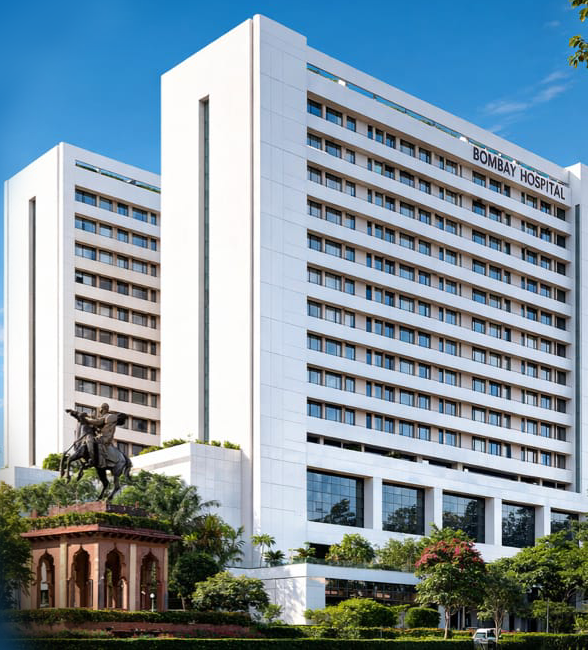
Good surgery needs good rehabilitation. Dr. Devansh Goyal works with physiotherapists at Bombay Hospital, Indore, to give every patient a written, stage-by-stage recovery plan with clear goals for walking, stairs, driving, work and sport.
Frequently Asked Questions
Why is rehabilitation so important after surgery?
Rehabilitation restores movement, strength and confidence, and has a major influence on the final result of joint replacement or ligament surgery.
How long does rehabilitation last?
It depends on the procedure — typically about 6–12 weeks for joint replacement and longer (up to 9–12 months) after ligament reconstruction.
Can I do exercises at home?
Yes. Most programmes combine supervised sessions with a daily home exercise plan.
What happens if I skip physiotherapy?
Stiffness, weakness and a slower return to activities are more likely.
Is rehabilitation also used without surgery?
Yes. Many shoulder, knee and back problems improve with a targeted exercise programme alone.
Book an Appointment
A structured rehabilitation program can be the key to restoring full shoulder strength and mobility.
Schedule your assessment with Dr. Devansh Goyal to begin your personalised recovery plan.
Book a consultation with Dr. Devansh Goyal at Bombay Hospital, Vijay Nagar, Indore.