
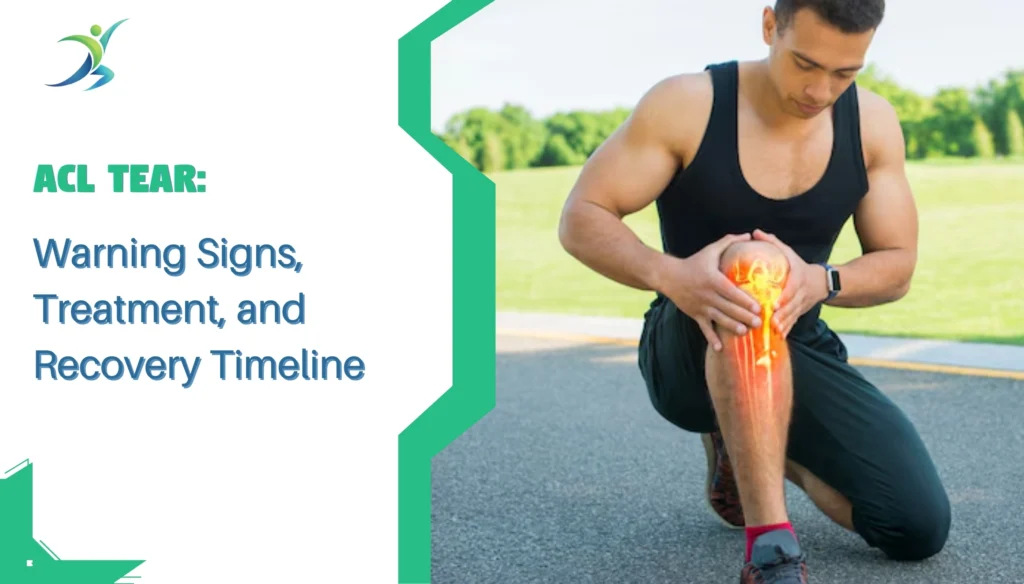
ACL Tear: Warning Signs, Treatment, and Recovery Timeline
An ACL (Anterior Cruciate Ligament) tear is one of the most common knee injuries—especially among athletes, runners, and individuals involved in high-impact activities. The ACL plays a crucial role in stabilizing the knee joint, and when it is torn, even simple movements like walking or bending can become challenging. Understanding the warning signs, treatment options, and the recovery timeline can help you take the right steps toward healing. Expert guidance from Dr. Devansh Goyal ensures the best outcomes for long-term knee health. Warning Signs of an ACL Tear ACL tears often occur suddenly, usually during sports or activities that involve twisting, pivoting, or abrupt stops. Key symptoms include: 1. A Sudden “Pop” Sound Most patients report hearing or feeling a pop at the moment of injury. 2. Immediate Knee Swelling Rapid swelling—within a few hours—indicates internal bleeding from ligament damage. 3. Severe Pain Pain may be sharp initially and worsen during movement or weight-bearing. 4. Knee Instability A feeling that the knee might “give way” when standing or walking is a major warning sign. 5. Limited Range of Motion Difficulty bending or straightening the knee due to pain and swelling. If you notice these symptoms after an injury, early diagnosis is crucial to prevent further knee damage. Treatment Options for ACL Tears Your treatment plan depends on the severity of the tear, lifestyle, age, and activity level. 1. Non-Surgical Treatment (Suitable for Partial Tears) Rest, Ice, Compression, Elevation (RICE) Helps minimize swelling and pain in early stages. Knee Bracing Provides additional support and prevents instability. Physiotherapy Strengthens surrounding muscles, improves flexibility, and restores mobility. Non-surgical management works well for partial tears or individuals with low activity levels. 2. Surgical Treatment (Recommended for Complete Tears) ACL Reconstruction Surgery Involves replacing the torn ligament with a graft (from your hamstring, patellar tendon, or a donor). This is recommended when: The ACL is completely torn The knee is unstable The patient wants to return to sports or physically demanding activities Benefits of ACL Reconstruction Improved knee stability Better long-term joint function Reduced risk of future meniscus injury Faster return to athletic performance Recovery Timeline After an ACL Tear Recovery depends on whether the treatment is surgical or non-surgical—but here is the typical timeline for ACL reconstruction: Week 1–2: Early Recovery Swelling and pain gradually decrease Begin gentle motion exercises Walking with support (crutches) Weeks 3–6: Regaining Movement Start weight-bearing gradually Improved knee bending and straightening Begin strength-focused physiotherapy Months 3–4: Strength & Stability Phase More advanced strengthening exercises Balance and coordination training Slow return to light jogging Months 6–9: Return to Activity High-intensity exercises Sport-specific training Clearance for returning to competitive sports Most patients fully return to sports between 6–9 months, depending on consistency with rehabilitation. Frequently Asked Questions 1. Can an ACL tear heal on its own? Complete ACL tears do not heal naturally and often require surgical reconstruction for full knee stability. 2. Is ACL surgery painful? Modern surgical techniques and pain-management methods significantly reduce discomfort. 3. How soon can I walk after ACL surgery? Many patients begin walking with support within a few days, depending on their surgeon’s advice. 4. What happens if an ACL tear is left untreated? It may lead to chronic knee instability, repeated injuries, and long-term cartilage damage. 5. When can I return to sports? Most athletes return between 6–9 months, depending on recovery progress and physiotherapy. Get in Touch 📞 Phone: +91 98765 43210📅 Appointment Request: Contact us to schedule your visit and take the first step toward pain-free mobility.
ACL Tear: Warning Signs, Treatment, and Recovery Timeline Read More »