

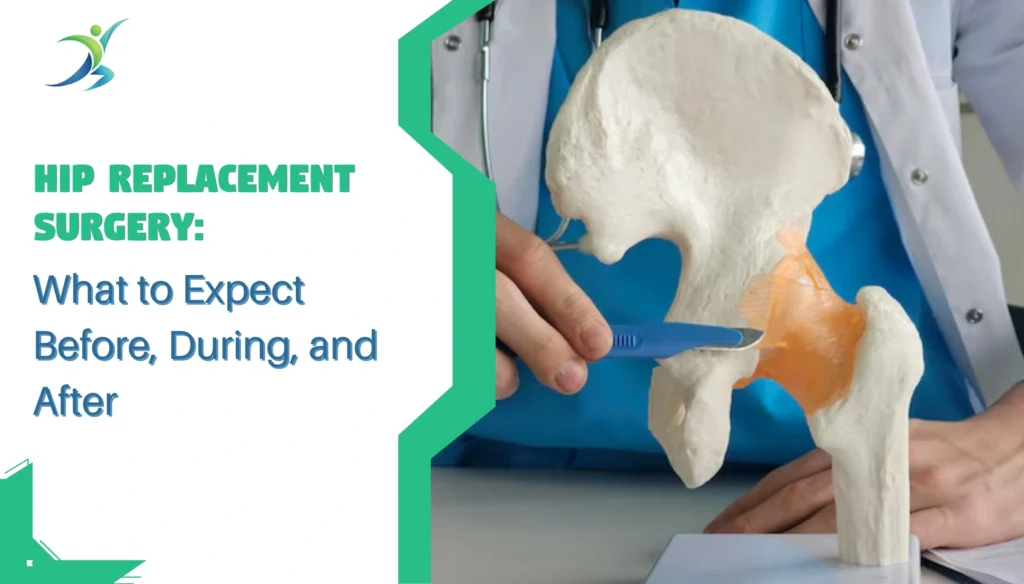
Hip Replacement Surgery: What to Expect Before, During, and After
Hip replacement surgery is one of the most successful orthopedic procedures, helping individuals regain mobility, reduce chronic pain, and return to an active lifestyle. Whether caused by arthritis, injury, or age-related wear and tear, hip damage can significantly affect daily activities. A hip replacement restores smooth movement, reduces pain, and enhances quality of life. This guide explains what to expect before, during, and after hip replacement surgery, with expert insights from Dr. Devansh Goyal to help you prepare confidently. Before Hip Replacement Surgery Preparing well for the procedure helps ensure a smooth surgery and faster recovery. 1. Medical Evaluation Your surgeon will perform: Physical examination X-rays or MRI scans Review of medical history and current medications This helps determine which surgical approach—traditional or minimally invasive—is best for you. 2. Pre-Surgery Instructions You may be advised to: Stop certain medications Avoid smoking and alcohol Maintain a healthy diet Perform light pre-surgery exercises to strengthen muscles Strengthening surrounding muscles often improves post-surgery recovery. 3. Home Preparation Make simple adjustments like: Clearing pathways for easy movement Setting up a raised chair or toilet seat Bringing essential items within easy reach These changes ensure a safer, more comfortable recovery environment. During Hip Replacement Surgery Hip replacement is typically performed under spinal or general anesthesia. Here’s what happens: 1. Incision and Exposure Depending on the method (anterior, posterior, or lateral), the surgeon makes a small incision to access the hip joint. 2. Removal of Damaged Bone and Cartilage The worn-out portions of the hip joint are removed carefully. 3. Implant Placement A prosthetic socket is placed in the pelvic bone, and a metal or ceramic ball is positioned on the upper femur to restore smooth, pain-free movement. 4. Closing the Incision The area is cleaned and closed with sutures. Most surgeries take 1–2 hours, depending on the technique and patient profile. Minimally invasive approaches often result in: Smaller incision Less pain Faster recovery Shorter hospital stay After Hip Replacement Surgery Recovery begins immediately after surgery and continues for several months. Here’s what to expect: 1. Hospital Stay Patients typically stay 1–3 days, depending on the approach. Physical therapy often begins the same day or next morning. 2. Pain Management Pain medications and ice therapy help manage discomfort in the initial days. 3. Physical Therapy & Rehabilitation Rehabilitation is the key to successful recovery. Your physiotherapist will guide you through: Walking with assistance Strength and flexibility exercises Hip-safe movement techniques Consistent physiotherapy restores mobility and improves long-term results. 4. At-Home Recovery Patients should: Avoid excessive bending or twisting Use assistive devices (walker, cane) as recommended Follow the exercise plan provided by the physiotherapist Keep the incision clean and dry Most people resume normal daily activities within 4–6 weeks, depending on the surgical approach and overall health. 5. Long-Term Expectations Hip replacements typically last 15–20 years or more. Staying active, maintaining a healthy weight, and avoiding high-impact activities will help prolong the life of your implant. Frequently Asked Questions 1. How do I know if I need hip replacement surgery? You may need surgery if hip pain limits walking, sleeping, or daily activities and conservative treatments no longer provide relief. 2. Is hip replacement a painful procedure? Some discomfort is normal after surgery, but modern techniques and pain management make recovery much more comfortable. 3. How soon can I walk after surgery? Most patients begin walking—often with support—the same day or within 24 hours. 4. What is the recovery time for hip replacement? Initial recovery takes 4–6 weeks, while full recovery can take up to 3–6 months depending on the patient. 5. Are there risks associated with hip replacement? As with any surgery, there are risks such as infection, blood clots, and implant wear, but these are rare with proper care. Get in Touch 📞 Phone: +91 98765 43210📅 Appointment Request: Contact us to schedule your visit and take the first step toward pain-free mobility.
Hip Replacement Surgery: What to Expect Before, During, and After Read More »