

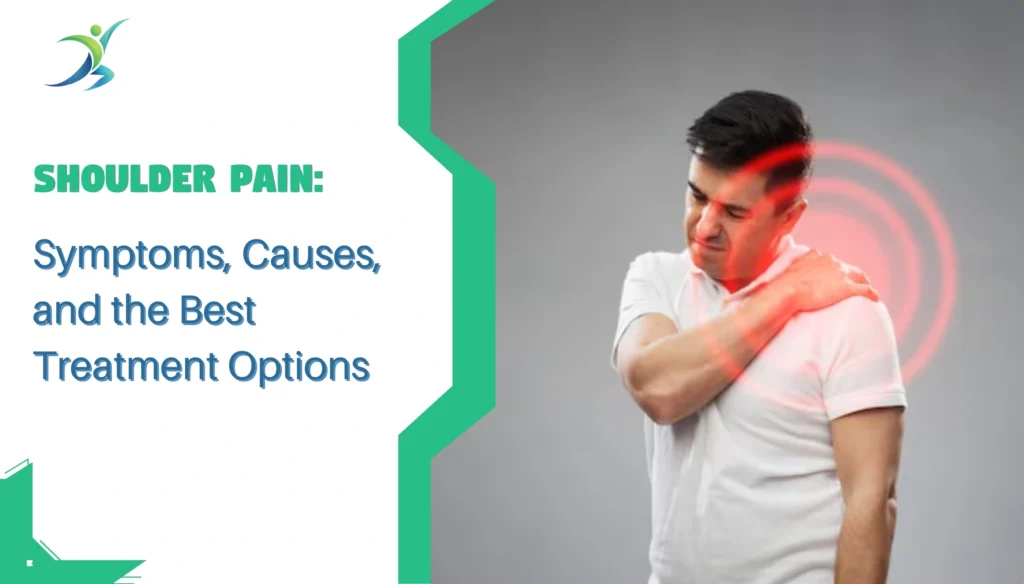
Shoulder pain is one of the most common musculoskeletal problems affecting people of all ages. Whether caused by injury, overuse, or age-related wear and tear, shoulder pain can interfere with everyday activities—from lifting objects to simply reaching overhead.
This guide covers the symptoms, causes, best treatment options, and expert advice from Dr. Devansh Goyal to help you understand how to find relief effectively.
What Is Shoulder Pain?
The shoulder is a highly flexible joint supported by bones, muscles, tendons, and ligaments. Because of this complexity, it is more vulnerable to injury and inflammation. Shoulder pain may range from mild discomfort to severe, disabling pain.
Common Symptoms of Shoulder Pain
Persistent aching or sharp pain
Pain when lifting or rotating the arm
Stiffness or decreased range of motion
Swelling or tenderness
Clicking or popping sounds in the joint
Weakness in the shoulder or arm
Pain radiating up the neck or down the arm
If symptoms continue for more than a few days or worsen, it is important to seek medical help.
Best Treatment Options for Shoulder Pain
1. Rest & Activity Modification
Limiting painful movements gives inflamed tissues time to heal.
2. Ice & Heat Therapy
Ice reduces swelling
Heat relaxes stiff muscles
3. Physiotherapy
Targeted exercises improve motion, strength, and flexibility. It’s often the most effective long-term solution.
4. Medications
NSAIDs or prescribed medications help reduce inflammation and pain.
5. Corticosteroid Injections
Provide rapid relief for severe shoulder inflammation.
6. Regenerative Therapies
Options such as PRP therapy may help repair damaged tissues.
7. Arthroscopic Surgery
Minimally invasive procedures for rotator cuff tears, dislocations, or bone spurs when conservative treatments fail.
8. Lifestyle Adjustments
Posture correction, ergonomic changes, and regular stretching help prevent recurrence.
Expert Advice from Dr. Devansh Goyal
According to Dr. Devansh Goyal, early evaluation is crucial to prevent long-term complications. Most cases of shoulder pain improve significantly with timely diagnosis, proper treatment, and personalized rehabilitation plans.
Frequently Asked Questions
1. When should I see a doctor for shoulder pain?
Seek medical help if pain lasts more than 3–5 days, is severe, restricts arm movement, or follows an injury or fall.
2. Can shoulder pain go away on its own?
Mild pain may resolve with rest and home care. However, persistent or worsening pain usually needs professional evaluation.
3. Is physiotherapy necessary for shoulder pain?
Yes. Physiotherapy strengthens shoulder muscles, improves mobility, and prevents recurrence. It is one of the most effective treatments for chronic shoulder pain.
4. What is the fastest way to relieve shoulder pain?
Applying ice, gentle stretching, taking anti-inflammatory medication, and avoiding painful activities can provide quick relief. In more serious cases, injections or therapy may be needed.
5. Can poor posture cause shoulder pain?
Absolutely. Slouching or sitting for long periods strains the shoulder and neck muscles, leading to chronic discomfort.
Get in Touch
📞 Phone: +91 98765 43210
📅 Appointment Request: Contact us to schedule your visit and take the first step toward pain-free mobility.